


Impact '25 Programme Lifts Girls' Club Rugby Participation by 49%
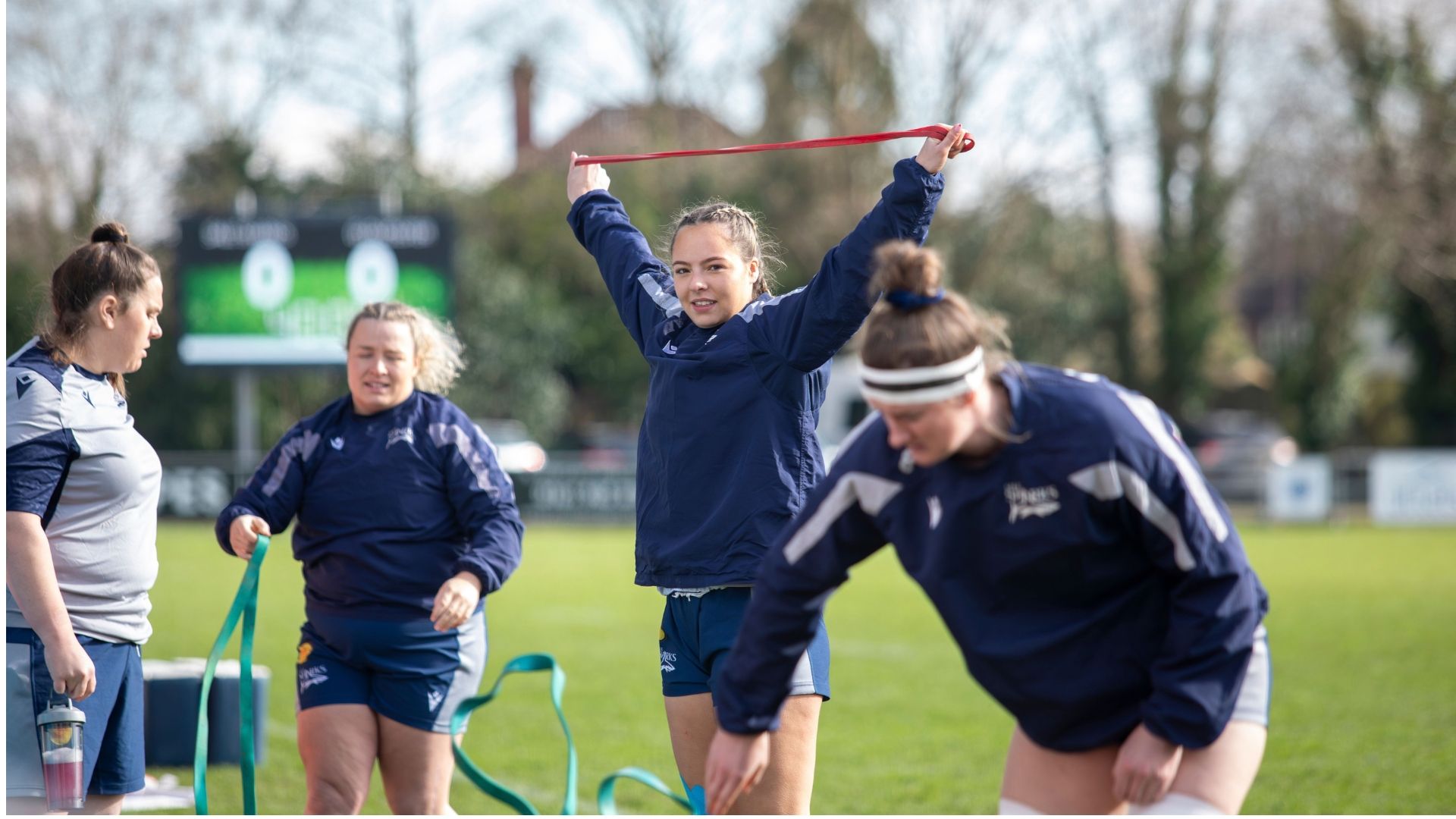
Girls' participation in rugby clubs across England has risen by 49% since the start of Impact '25, the legacy programme built around the Women's Rugby World Cup 2025. A report from the Rugby Football Union (RFU) shows the number of girls playing at club level grew from around 18,000 to 26,800 over the four-year programme, with around 40,000 girls aged 6 to 12 introduced to the sport along the way.
Impact '25 was delivered by the RFU in partnership with the UK Government, Sport England and UK Sport. It received £14.55m of government funding up to the end of March 2026, including £13.6m administered by Sport England, which has now invested more than £30m in the RFU since 2022. The report is published as the first anniversary of the Red Roses' World Cup win at Allianz Stadium approaches.
Facilities were one of the programme's main strands. Sport England awarded 1,078 grants to 607 clubs to make their grounds more suitable for women and girls, paying for new or upgraded changing rooms and toilets, refurbished social spaces and better sanitary provision. The £6.8m invested in facilities prompted clubs to raise a further £14.8m themselves.
The programme aimed to get more women involved in the sport as a whole, not just as players. Women completed 5,449 coaching and match official courses, and Impact '25 funded nearly a third of them, taking course fees out of the equation. Women made up 28% of newly qualified coaches and match officials over the four years, compared with 9% before the programme began. Women's participation at the universities involved grew by 38%, giving more players a route into community clubs after graduation.
Lisa Dodd-Mayne, Sport England's executive director for partnerships and place, said the challenge now was to turn excitement around the women's game into lasting opportunities. “Our investment, alongside programmes like Impact ’25, is helping turn the inspiration of the Red Roses and the Women’s Rugby World Cup into greater participation,” she said.
Alex Teasdale, the RFU's executive director of the women's game, credited the results to clubs, volunteers and partners. “Today, more women and girls are playing, coaching and officiating rugby than ever before,” he said, adding that facilities had improved and clubs had worked to create more welcoming environments. Sports Minister Stephanie Peacock said the government was proud to have supported the programme.
The RFU has since launched Every Rose: Our Time, a five-year plan aiming for 100,000 active female players by 2030, 70,000 of them registered with clubs. It has also partnered with Women in Sport and become the first major British sport to introduce a standalone anti-sexism and misogyny policy.
For clubs in any sport, the results show what a joined-up approach can achieve. Impact '25 did not rely on a single measure, it paired entry-level opportunities for young players with better changing and social facilities, subsidised qualifications for coaches and officials, and a clear national target, and participation rose across the board as a result.