


Rugby League Clubs Helped Over 1,000 Young Men and Boys Feel Less Alone, Evaluation Finds
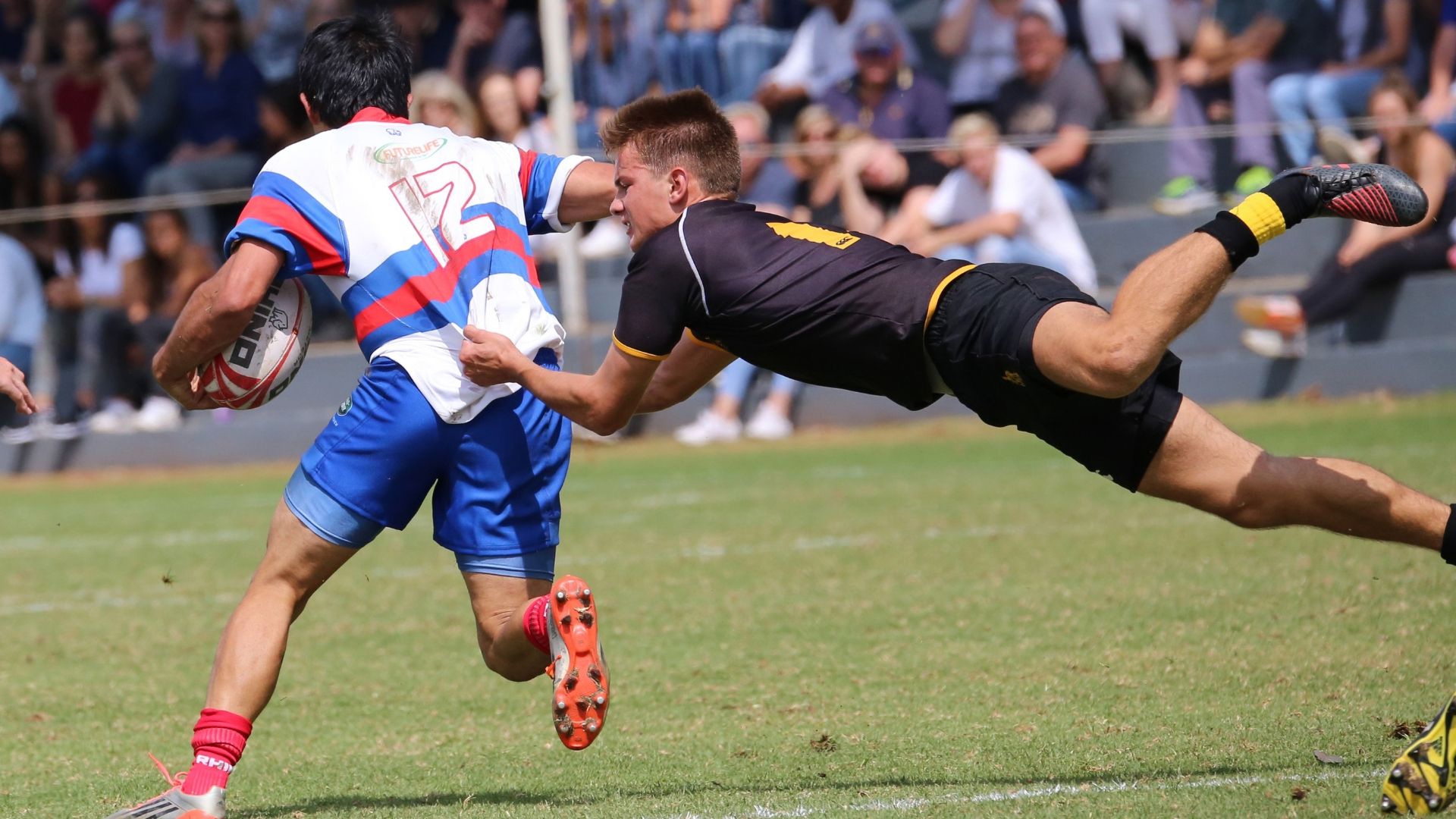
An independent evaluation has found that a government-backed programme run through rugby league clubs improved social connections, wellbeing and aspirations for boys and young men experiencing loneliness, social isolation or time out of education, employment and training. The pilot, commissioned by the Department for Culture, Media and Sport and delivered by Rugby League Cares, involved more than 1,000 participants between October 2025 and March 2026.
The programme adapted two existing schemes, Movember's Ahead of the Game - for boys aged 11 to 18 - and Rugby League Cares' own Offload programme - for young men aged 16 to 24. Four club foundations delivered the sessions across Wigan and the Wakefield district: Wigan Warriors Foundation, Wakefield Trinity Community Foundation, Castleford Tigers Foundation and Featherstone Rovers Foundation. Researchers from Edge Hill University's Faculty of Education and its Centre for Mental Health, Sport and Physical Activity carried out the evaluation, which was also intended to produce practical lessons for any future national roll-out.
One participant said they now felt positive about life, with “new people I can talk to” and greater self-confidence. Another valued the mix of backgrounds in the room, noting that people who were sporty and people who were not could sit together and talk about coping strategies. A third said the sessions encouraged them to open up, and that the group learned more about each other as a result.
Emma Goldsmith, Director of Community at Rugby League Cares, said the results confirmed something the charity had seen since developing Offload almost a decade ago. “This pilot programme has confirmed the power of positive sporting role models to break down barriers and underlined the potential of more work in this area,” she said.
Vicky Foxcroft, the Minister for Loneliness, said boys and young men too often struggle quietly rather than seeking support, and described the findings as evidence of what sport can achieve in building connection and confidence. She said tackling loneliness remained a government priority and that ministers would keep backing initiatives of this kind.
Professor Andy Smith, Deputy Dean of the Faculty of Education at Edge Hill, pointed to the role that club community organisations can play. “It is pleasing to see such encouraging results from this pilot which provide further evidence of the important role that the foundations, or club community organisations, of professional sports teams can play in improving the lives of boys and young men,” he said. Research assistant Rachel Wilcock added that working closely with partners and participants had shown how place-based community sport programmes can improve wellbeing and aspirations.
For grassroots clubs and community sport organisations, the findings reinforce a point that runs through much of this work: the value of a club often extends well beyond the pitch, and programmes built around trusted local sporting names can reach young people who might not engage with more traditional services.
You can read the full evaluation report and its findings here.