)
)
)
The Grassroots Club That Built an Ashes Winner
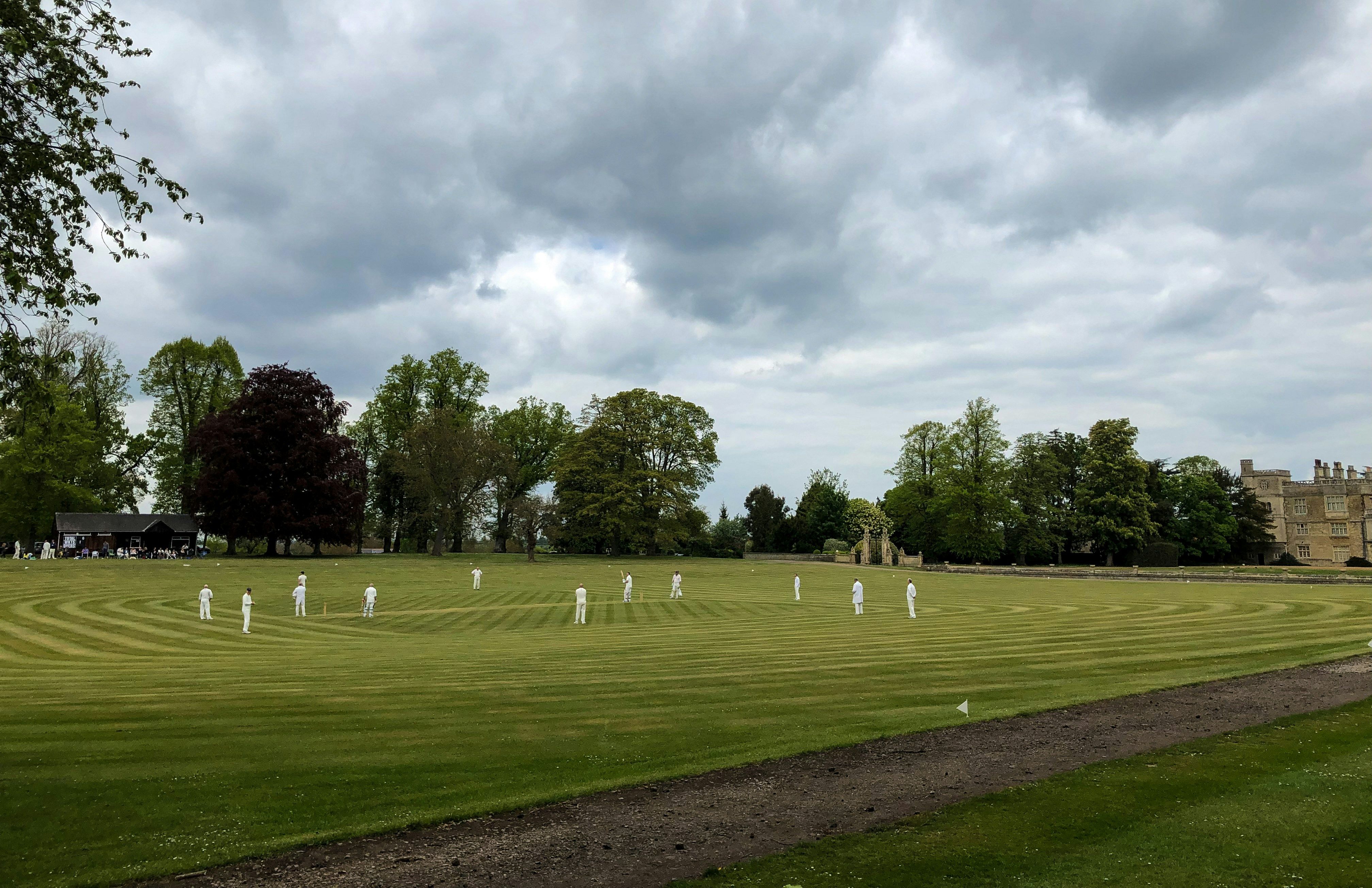
Before the T20 World Cup winner’s medal, the 4,000+ Test runs, the double hundred at the WACA, and that catch to dismiss Matthew Hayden, there was a nine-year-old forcing his way into an under-13s side he had no business playing for yet. That's where Paul Collingwood's story actually starts — not at Lord's, not in Australia, but at a village cricket ground beside the River Derwent in Shotley Bridge.
His dad David opened the batting for Shotley Bridge CC. His mum Janet made the teas. Collingwood came from a family who showed up every weekend, a club willing to fast-track a talented kid, and a ground that asked nothing of him except to keep coming back
He was playing football too, as most kids in the Derwent Valley were, but his father steered him towards cricket instead. Off the back of that decision, Collingwood’s pathway ran from Blackfyne Comprehensive to first-class debut in 1996 to first Test cap in Galle seven years later; fair to say this was a good decision from Collingwood Sr.
Three Ashes wins. A double century in 2006-07. 197 ODI caps — still an England record. And none of it would have been possible without his local club. Durham needed quality local players when they turned first-class and Shotley Bridge produced one. Collingwood was already there, ready-made by a village club that had already done the unglamorous work and built his cricketing foundations years earlier.
This is the trade-off grassroots clubs consistently make and rarely get credited for: they pour in years of coaching, kit, teas, lifts to away games and, if it works, the player eventually outgrows them. Shotley Bridge lost Collingwood to Durham, then to England. What they should retain is the credit for making his career possible in the first place, a career which stands as an elite example for every kid who's picked up a bat there since.
Collingwood retired in 2018 having played 23 of Durham's first 26 seasons as a first-class county — a two-decade thread running straight back to that under-13s side. The club he started at is still standing, still developing nine-year-olds who might never make it past club level, and a few who might not stop until they've captained their country. That's the pipeline grassroots sport runs on and Shotley Bridge is just one example of how impactful a well-run grassroots club can be.