)
)
)
Golf Clubs and Housing Plans Are on a Collision Course and Oxfordshire Is the Latest Battleground
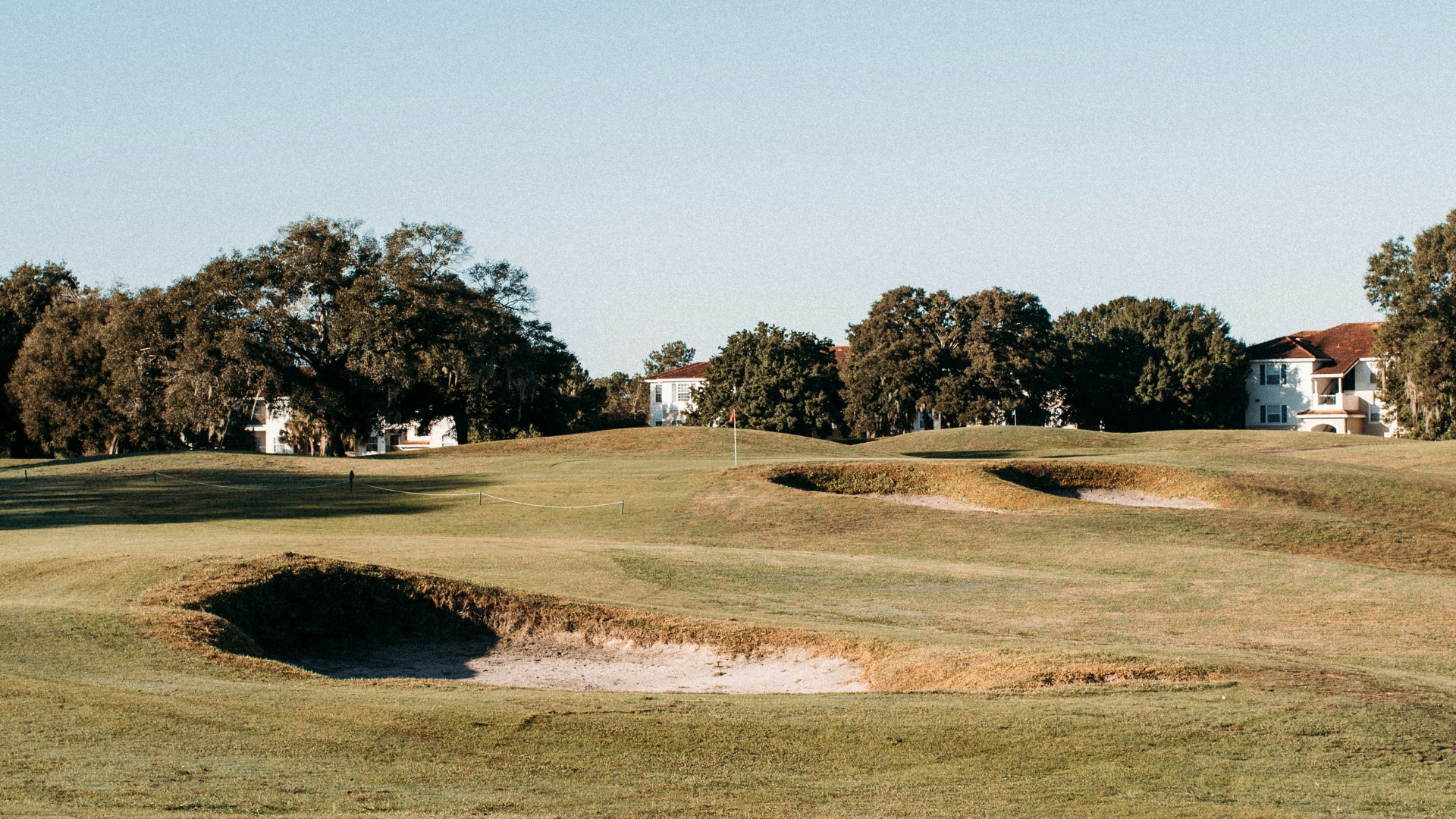
Two things Britain is genuinely short of are affordable housing and accessible places to play sport. But in Shrivenham, Oxfordshire, those two causes are contesting for the same 70 acre plot.
Bloor Homes wants to build 200 homes at Shrivenham Park Golf Club, a course that has run for 60 years and, according to those who use it, has done so on notably modest terms. Jim Boise, the club's greenkeeper and junior coach, described it as a family rather than a business, one that keeps the sport genuinely open rather than exclusive.
"This is a grassroots club, it's for everybody, it's not elitist, you don't pay exorbitant fees to play golf here," he told BBC Oxford. Brenda, whose grandson takes junior lessons there, put a number on that accessibility: £5 a session, remarkable value by the standards of most sports and activities on offer locally.
England Golf's Gavin Anderson frames the stakes in national terms rather than local ones. Sites like Shrivenham, he argues, tend to be exactly the entry points that make golf affordable and accessible in the first place — and when they disappear, so does the pathway into the sport for anyone without deep pockets. "When these facilities disappear, an entire pathway into the sport is put at risk," he said, pointing to a governing-body warning that proposals involving partial or full loss of golf provision have risen sharply across the country in recent years.
Bloor Homes' case rests on a different set of priorities. A spokesperson said 35% of the scheme would be affordable housing, and that the development would secure land for a community facility while retaining a permanent green gap between Shrivenham and Watchfield. The company also points out that only around 13 of the site's 70 acres would actually be built on, with the remainder kept as public open space.
That tension — a well-used community facility against a genuine, national housing shortfall — isn't unique to Shrivenham. Ben Cooper of the Fabian Housing Centre argues the broader principle plainly: golf courses, in his view, are often a poor use of land when the country needs affordable and accessible green space "in every part of the country," and building on them can be "a win-win" if it delivers better places to live.
Similar arguments have played out elsewhere in recent months — 244 homes are proceeding at the former Gatley Golf Course in Stockport despite a 1,600-signature petition against it, and in Sussex, campaigners protested in January against a golf club closure to make way for 3,000 homes.
Local opposition in Shrivenham goes beyond the golf club itself. Witney MP Charlie Maynard is backing residents fighting the plans, describing the site as "the green lung" between Watchfield and Shrivenham and warning that "once this is gone, it's gone." He's also raised concerns about strain on local infrastructure, echoed by resident Chelsea Addis, who says GP appointment availability in the area has worsened noticeably over the past seven years.
Environmental concerns sit alongside the community ones: the course backs onto Tuckmill Meadows, a Site of Special Scientific Interest, and action group member Sue Nodder has warned that development could disrupt the hydrology supporting the otters, newts, birds and rare flora living there.
Whether Shrivenham Park's fate mirrors that of the clubs in Stockport and Sussex will now be tested through the planning process rather than public debate. A public inquiry into the proposals opens on 22 September.