


‘Clicky Ponting’ Ban Shows the Cost of Grassroots Sport Going Viral
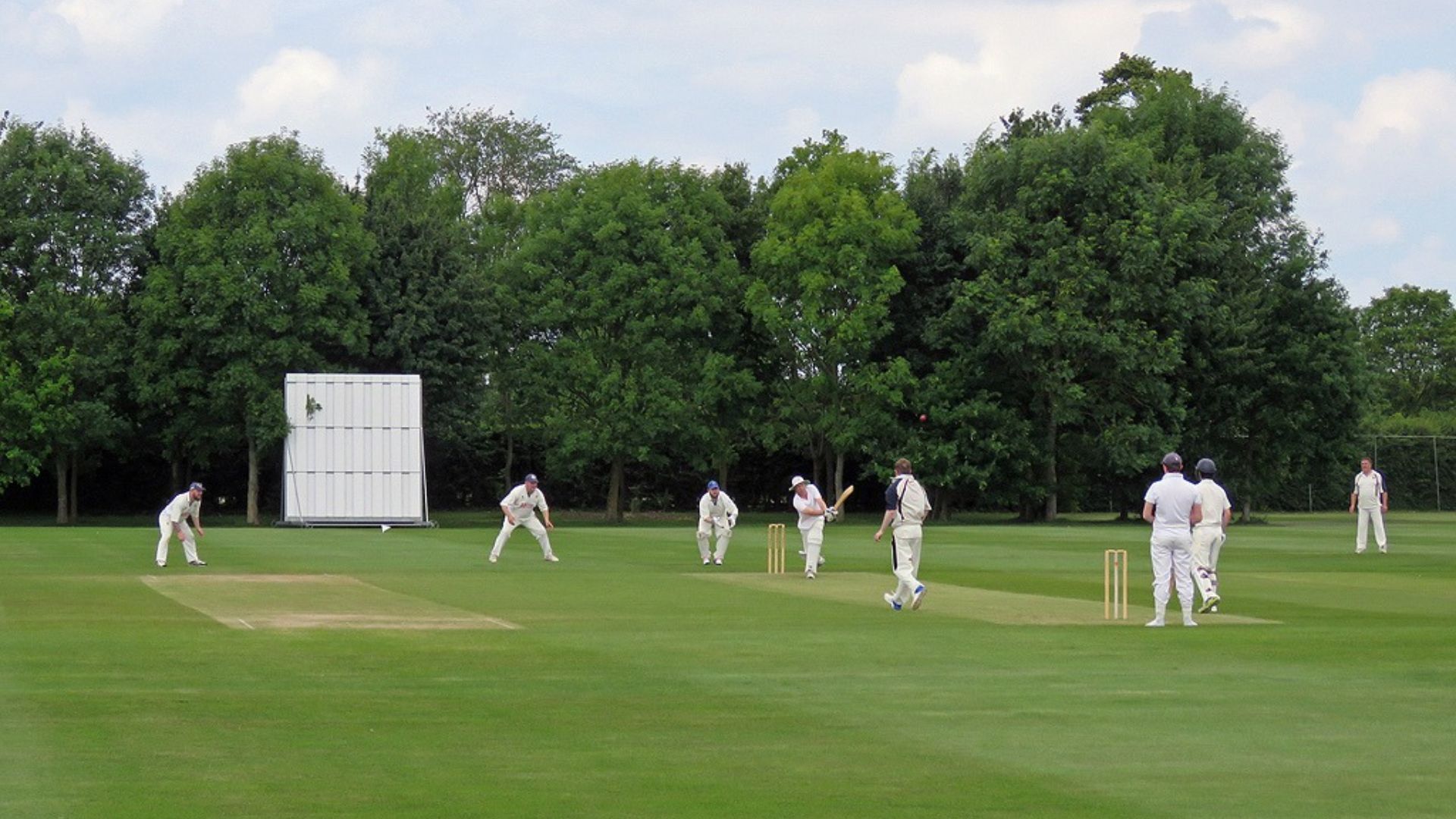
An amateur cricketer has been banned from all ECB-sanctioned cricket for two years after he was filmed clicking his fingers to fake the sound of an edge during a North Yorkshire and South Durham Cricket League (NYSD) match.
Brian Devine was fielding at slip for Saltburn’s second XI against Norton in a Division Two fixture in July when he made the noise as the ball passed the batter, Noman Shabir. Saltburn appealed and Shabir was given out caught behind. Footage of the incident was shared widely on social media and picked up by media around the world, where Devine was nicknamed “Clicky Ponting”.
Following an investigation that included player interviews, written statements and a review of video footage, Devine was banned until 29 September 2028. During that time he cannot play, coach, umpire, score or manage junior teams. Saltburn’s second XI have been relegated to Division Three, where they will start the 2027 season with a 60-point deduction, and the club has been fined £300. Both Devine and the club admitted the charges.
The league said it had received complaints about conduct in more than one match. It also acknowledged the toll the episode had taken on those involved.
“The League recognises the strain this has placed on many people, especially those who were abused online and in person,” the NYSD said, asking for the outcome to be respected now that the process is over.
Grassroots sport has always relied on honesty, from walking when you know you’ve edged it to trusting the umpire’s call. What’s changed is how far these scandals can travel: a moment of poor sportsmanship on a Saturday afternoon can now be filmed, shared and watched by millions within days, and the consequences don’t stop with the person responsible. Team-mates, opponents, officials and volunteers can all get caught up in the fallout, often facing abuse far out of proportion to anything they did.
That puts more responsibility on clubs; clear standards for how players behave are the first line of defence, but when those standards slip, it falls to the club and the league to deal with it through the proper process, as the NYSD has done here, not leave it to be judged on social media.
Clubs also need to look after the people caught up in it. A good welfare or safeguarding officer can check in on those affected, help them report abuse and make sure the club responds calmly, whether someone is at the centre of the story or simply on the same team.
The league has now drawn a line under the case, but the clip, inevitably, will be around for much longer.