


What the Man City Verdict Could Mean for Grassroots Football
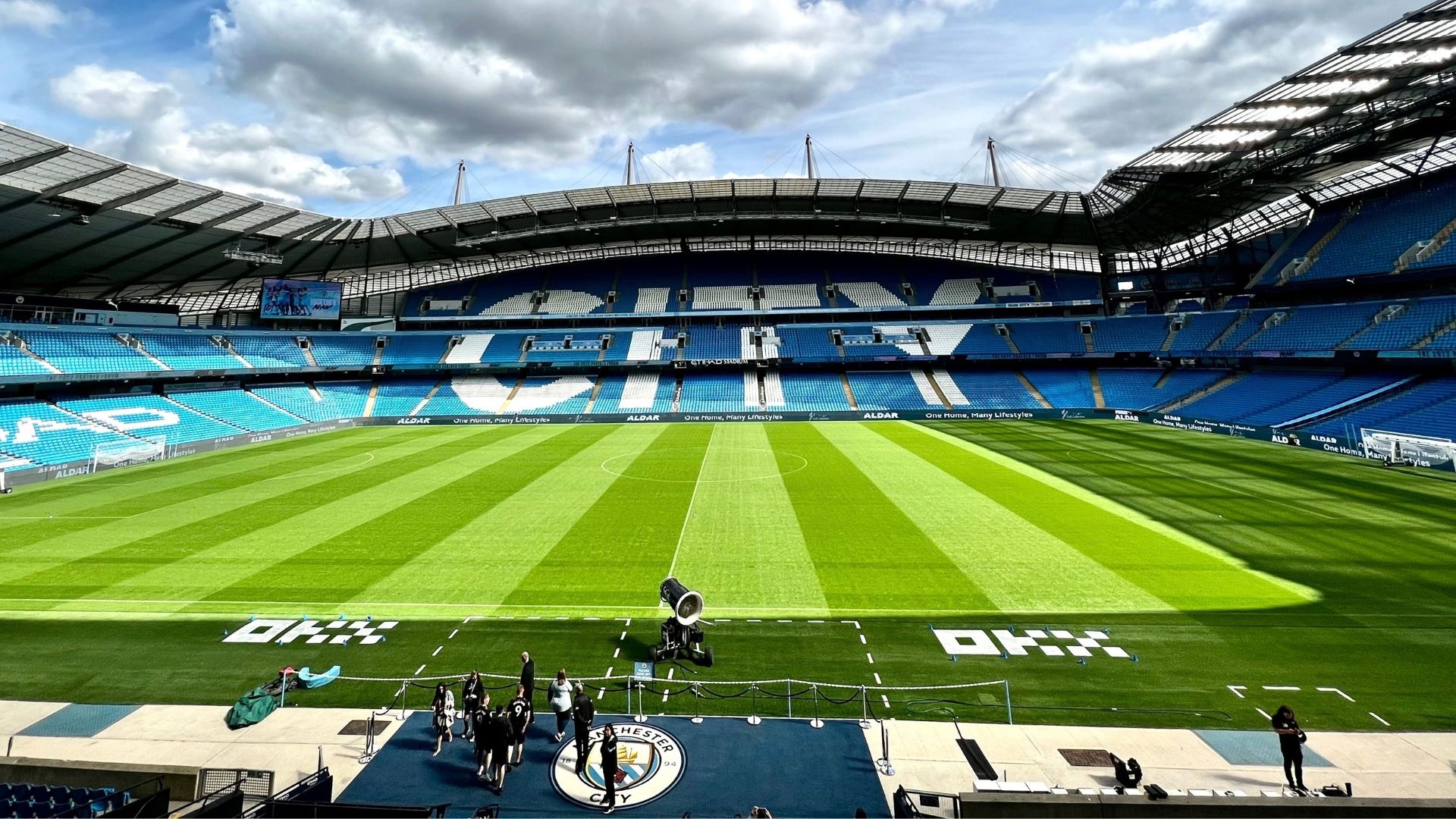
Manchester City have been found guilty on 114 of the 115 charges brought against them by the Premier League in February 2023. The independent commission's ruling, confirmed by the league on 29 September, centres on “sham contracts” that inflated the club's revenue by more than £830 million across a nine-season period. City have lodged what they describe as a “comprehensive appeal,” calling the verdict “unsafe,” and a separate sanctions hearing is expected within weeks. Nothing about the eventual punishment, or the outcome of the appeal, is confirmed. Potential punishments being reported range from a fine through to a points deduction severe enough to threaten relegation.
This might not feel especially relevant to the ordinary, Sunday-league footballer, and although any financial effects would be indirect, the Premier League's finances are tied to grassroots football. A case this large, this drawn out, and this consequential is worth understanding properly before assuming it has nothing to do with the game played at the other end of the pyramid.
How Premier League Money Reaches Grassroots Football
The Premier League redistributes around 15% of its central revenue outside the top flight each broadcast cycle. That money funds solidarity payments to EFL clubs, support for all 72 National League clubs, and direct investment in grassroots facilities and community programmes. To date, the Premier League has helped fund more than £2.8 billion of grassroots investment through the Football Foundation, working alongside the FA, the UK government and local partners. The Foundation has delivered more than 75,000 grants for grassroots pitches and facilities across England.
An example of this is the Football Foundation’s Home Advantage Programme which, in their own words, is designed to “support grassroots clubs and organisations to take on long-term leases of the local authority sites they play at.” Programmes like this lay the basis for stable grassroots football clubs, giving them the chance to grow and thrive without the unpredictability of factors like short-term leases.
On top of funding vital programmes, a proportion of this central revenue - £12.7 million between 2025 and 2028 - goes specifically into women and girls’ football.
Crucially, this money is generated through the Premier League’s overall commercial strength, its broadcast deals, its sponsorship value, and its global audience, all of which depend, at least in part, on the competition being seen as credible and fairly contested. A case like this calls the competition’s integrity into question and, by extension, risks reducing the value of the Premier League’s commercial deals. Some might see a guilty verdict as an example of the league’s rules doing their job. But if it did weaken the league’s commercial position over time, the financial cost would likely pass down the pyramid, where budgets are already stretched.
The Sanction's Implication
The sanction, whatever it ends up being, will carry weight well beyond Manchester City as a club and be a direct indication to other clubs of how seriously these rules are to be taken. Everton and Nottingham Forest were docked points (eight and four, respectively) for comparatively minor breaches of financial sustainability rules in 2023-24. Some analysts have described City’s case as an entirely different order of offence, more like corporate fraud than a technical breach.
A punishment that doesn't reflect that disparity would tell every club operating within the rules that financial fair play regulations carry little weight. The commission found that City breached the league's financial rules over nine seasons between 2009 and 2018, a period in which they won three Premier League titles and four domestic cups, and they have since won a further five league titles. If the sanctions do not reflect the scale of those breaches and City are soon back challenging for titles, what's to stop other clubs taking the same risk?
If a serious sanction does land, it sends a clear message to other clubs that the rules do exist to protect them, and can’t just be worked around by whichever club(s) can afford the best lawyers.
The sanction won't touch grassroots clubs directly, but it could still have a tangible effect on trust in the game. Clubs at every level, most of them run by volunteers on tight budgets, are expected to follow rules on finance, governance and safeguarding, and the credibility of those rules depends partly on whether the game is seen to apply them universally, even to its richest members.
Testing the Parachute Structure
If sanctions did stretch to relegation, the financial impact wouldn't be contained to City and their balance sheets. Clubs relegated from the Premier League become eligible for parachute payments, a fixed percentage of the league's “equal share” revenue, and it is not obvious that a relegation by points deduction would be treated any differently.
These payments are calculated as: year one, 55% of the Premier League’s equal-share broadcast revenue; year two, 45% of the same broadcast revenue; year three, 20%. For the 2024/25 season, the Premier League committed over £633 million to parachute payments across all recipients combined, nearly double the £350 million it provided in solidarity payments to the entire rest of the football pyramid.
Solidarity payments are funded from the Premier League's broadcast revenue and are meant to narrow the financial distance between divisions, according to The Esk. They are distributed equally within each division, though higher divisions receive more.
However, the difference in value between solidarity and parachute payments is enormous. In the Championship’s current 26/27 season, the solidarity payment for a club is £5.379 million. This season’s parachute payment - for clubs relegated from the 25/26 Premier League - is around £55 million. That imbalance already strains the Championship, where clubs on parachute payments are, according to a Leonard Curtis report, more than four times more likely to win promotion back to the Premier League than clubs surviving on solidarity payments alone. City would enter that system as an entirely different scale of club; their wage bill, commercial revenue and squad value would dwarf anything the parachute payment system was designed to protect, yet they'd likely draw the same fixed entitlement as any other relegated side.
A City side relegated for financial breaches and still receiving roughly £55 million in parachute payments - with more payments to follow if they don’t achieve immediate promotion - would raise questions about the fairness of a system that pays out by default.
Why EFL Stability Matters to Grassroots
Solidarity payments flow from the Premier League into the EFL and National League, and several EFL clubs (such as Bury and Sheffield Wednesday) have gone into administration in recent years even without a case like this complicating the picture further. Community foundations run by EFL clubs, often the actual delivery mechanism for local grassroots programmes, depend on their parent clubs staying financially stable. Whether through a relegated, parachute-subsidised Manchester City potentially distorting Championship competition, or simply through a prolonged wait for the case to be resolved, the result could be an added strain on a part of the pyramid that already struggles financially.
Most grassroots players won’t notice an immediate, direct change to their playing experience because of this case. What’s at risk are the programmes specifically built to benefit players within the grassroots football ecosystem: community foundation funding, facility grants through the Football Foundation, and investment in the women's and girls' game. These areas are regularly named as key targets in Premier League funding breakdowns and they would be among those exposed if revenue, reputation, or the balance of the parachute/solidarity payment system shifts further.
The Appeal and Its Consequences
If City's appeal succeeds, in full or in part, it raises a genuine question about whether financial fair play rules are enforceable against the clubs with the most resources to challenge them. This would undermine the entire premise that FFP protects competitive balance for clubs that can't spend their way past the rules.
If the appeal fails and a harsh sanction holds, including relegation, it sets a precedent that could meaningfully deter future financial breaches elsewhere in the game, arguably a long-term win for sustainable football at every level.
But regardless of the outcome, the appeal process will prolong a legal battle already into its fourth year, potentially leaving football's governing bodies tied up in litigation rather than focused on investment further down the pyramid. In 2024, rival clubs reportedly reserved the right to seek compensation in the event of a guilty verdict, and the prospect of further claims would only add to the lengthy fallout.
With no confirmed timeline for the appeal, the longer the case drags on, the longer questions will hang over the league's reputation and, by extension, the money it redistributes to the rest of the game.
It’s worth keeping an eye out for the Premier League’s next financial commitment to the Football Foundation, their next broadcast rights deal, and any changes made to the current EFL funding structure. If this case does affect the financial support flowing down the pyramid, it is in these decisions that the effects would first become visible.
What it Means for Grassroots Football
For grassroots football, the City case is unlikely to bring any immediate change, and the effects, if they come, will arrive indirectly: through the Premier League's commercial standing, the balance of the payments that flow down the pyramid - including how the parachute system would cope with a relegated City - and through what the post-appeal outcome shows about whether the financial rules apply to the richest clubs.
Much depends on decisions that haven’t been made yet. The sanctions hearing is expected within weeks and the appeal has no confirmed timetable, so every outcome discussed here, from a successful appeal to a heavy points deduction and relegation, remains possible.
What is clear is that the stakes reach beyond City and the Premier League. The money that pays for grassroots pitches, community programmes and the lower leagues comes, in part, from the same source being put under intense scrutiny by this case. Other clubs that follow the rules on far smaller budgets have good reason to watch whether those rules hold. The lasting effect on the grassroots game may depend as much on whether football’s financial rules are seen to work as on what happens to Manchester City.